In surgical and clinical environments, selecting the right disposable gown is essential for maintaining sterility, ensuring comfort, and providing adequate protection. Two commonly used options are SMS gowns and basic non-woven gowns. While both are disposable and intended for single use, their performance differs based on material composition and intended application.
Understanding SMS gowns
SMS gowns are made from a three-layer structure known as spunbond–meltblown–spunbond. This combination creates a strong barrier while maintaining breathability.
Key characteristics include:
- Multi-layer construction for improved protection
- High resistance to fluids and microorganisms
- Soft, cloth-like texture for better comfort
- Suitable for longer procedures
The meltblown middle layer acts as an effective barrier against bacteria and fluids, making SMS gowns suitable for moderate to high-risk procedures.
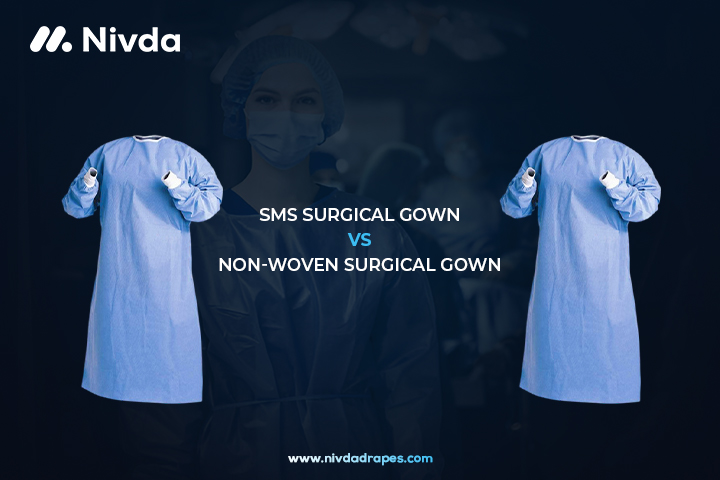
Understanding non-woven gowns
Non-woven gowns are typically made from single-layer spunbond polypropylene material. They are lightweight and designed for basic protection in low-risk environments.
Key characteristics include:
- Single-layer construction
- Lightweight and easy to wear
- Basic fluid resistance
- Cost-effective for short-duration use
These gowns are commonly used in outpatient departments or minor procedures where exposure to fluids is limited.
Comparison overview
| Factor | SMS Gowns | Non-Woven Gowns |
| Material structure | Multi-layer (SMS) | Single-layer non-woven |
| Fluid resistance | High | Moderate |
| Barrier protection | Strong microbial barrier | Basic protection |
| Durability | Higher | Lower |
| Comfort | Soft and breathable | Lightweight but less durable |
| Suitable procedures | Moderate to high-risk surgeries | Minor and low-risk procedures |
Performance comparison
Barrier protection and infection control
SMS gowns provide a stronger barrier due to their layered structure, reducing the risk of contamination during procedures involving fluids. Non-woven gowns offer basic protection and are suitable for controlled environments with minimal exposure.
Fluid resistance
SMS material resists fluid penetration effectively, helping maintain a dry and sterile surface. Non-woven gowns may allow limited fluid penetration, especially during longer procedures.
Comfort and usability
SMS gowns offer better comfort for extended use due to their breathable structure. Non-woven gowns are lighter but may not provide the same level of durability or comfort over time.
When to use each
SMS gowns are suitable for procedures involving higher infection risk, longer duration, and significant fluid exposure.
Non-woven gowns are suitable for short procedures, low-risk environments, and situations where cost efficiency is a priority.
Conclusion
When comparing SMS and non-woven gowns, SMS gowns provide better protection, durability, and fluid resistance, making them more effective for surgical use. Non-woven gowns remain a practical option for basic clinical applications.
For hospitals focusing on infection control and consistent performance, Nivda SMS disposable gowns offer a more reliable solution, while non-woven gowns support economical use in less demanding settings.
Get Connected:
+91 76007 27950 | exports@nivdadrapes.com | www.nivdadrapes.com