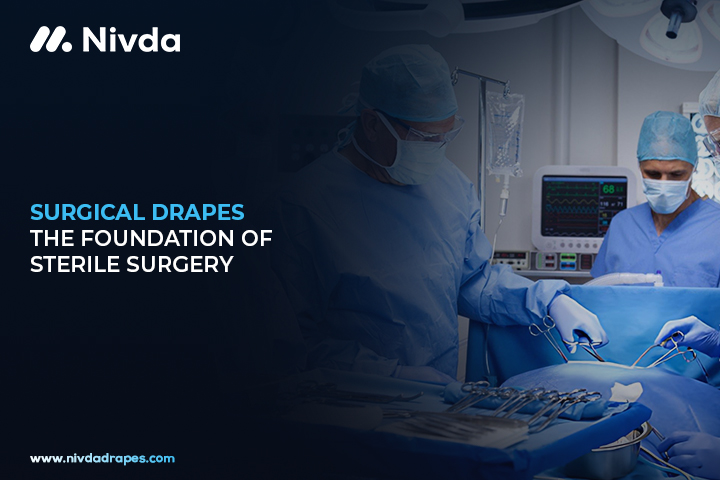
Walk into any modern operation theatre, and one of the first things you’ll notice—before the surgery even begins—is the careful placement of surgical drapes. These seemingly simple sheets are, in reality, one of the most critical components of infection control.
Surgical drapes are sterile barriers designed to isolate the surgical site from the rest of the patient’s body and the surrounding environment. Their primary role is to create a controlled, contamination-free zone where surgeons can operate with precision and confidence.
In an era where hospital-acquired infections remain a serious concern, the importance of proper draping cannot be overstated.
Why Surgical Drapes Matter More Than Ever?
The evolution of surgical procedures—from open surgeries to minimally invasive techniques—has increased the need for precision and sterility. Surgical site infections (SSIs) not only affect patient recovery but also significantly increase hospital costs and risks.
This is where high-quality surgical drapes play a defining role.
They act as a physical and microbial barrier, preventing the transfer of bacteria, fluids, and contaminants. Advanced drapes today are engineered using non-woven, multi-layered fabrics that offer fluid resistance while maintaining breathability.
Beyond protection, they also contribute to:
- Better visibility of the surgical field
- Efficient fluid management
- Reduced risk for both patients and healthcare professionals
Exploring Different Types of Surgical Drapes
Not all surgeries are the same—and neither are the drapes used in them.
For instance, fenestrated drapes come with a precisely placed opening that exposes only the surgical site, ensuring maximum isolation. In contrast, incise drapes are adhesive and applied directly to the patient’s skin, forming an additional protective layer.
Specialized procedures demand tailored solutions. Laparoscopic surgeries require drapes with port access and tubing management features, while orthopedic procedures often use heavy-duty, fluid-resistant drapes designed to handle high volumes of irrigation fluids.
This diversity highlights a key reality: choosing the right drape is as important as the surgical technique itself.
Applications Across Medical Specialties
From urology and gynecology to cardiology and general surgery, surgical drapes are indispensable across all disciplines.
Each specialty has its own set of requirements:
- Urology procedures require fluid control and collection features
- Gynecological surgeries need patient positioning compatibility
- Cardiology and cath lab procedures demand precision draping
- Laparoscopic surgeries require integrated access points
This specialization has led to the development of procedure-specific drapes that enhance both safety and efficiency.
Disposable vs Reusable Drapes — A Shift in Preference
Over the years, healthcare facilities have increasingly shifted toward disposable surgical drapes—and for good reason.
Reusable drapes, while cost-effective in the short term, come with challenges such as:
- Sterilization inconsistencies
- Fabric degradation over time
- Risk of residual contamination
Disposable drapes eliminate these concerns entirely. Each piece is single-use, sterile, and designed for consistent performance. For hospitals aiming to meet global infection control standards, disposables have become the preferred choice.
The Future of Surgical Draping
As healthcare continues to advance, so does draping technology. Innovations now focus on:
- Enhanced fluid control systems
- Antimicrobial coatings
- Ergonomic designs for faster setup
- Eco-conscious disposable materials
Manufacturers are no longer just producing drapes—they are delivering integrated surgical solutions.
Conclusion
Surgical drapes may not always be in the spotlight, but they are undeniably the foundation of safe and successful surgeries. Their role in infection prevention, efficiency, and patient safety makes them an essential investment for every healthcare facility.
Choosing the right drape isn’t just a purchase decision—it’s a commitment to better surgical outcomes.
Get Connected:
+91 76007 27950 | exports@nivdadrapes.com | www.nivdadrapes.com