In surgical environments, especially in high-risk procedures like cardiac surgeries, infection control is a top priority. The choice between cardiovascular drapes and universal drapes from the Nivda drapes plays a significant role in maintaining sterility and reducing infection risks. Although both are disposable and designed to act as a barrier, their effectiveness differs based on design and application.
Understanding cardiovascular drapes
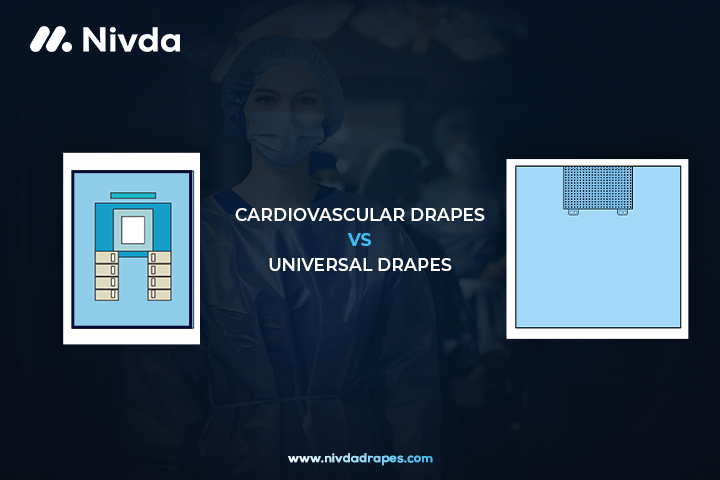
Cardiovascular drapes are specifically designed for cardiac and thoracic procedures such as bypass surgery and open-heart operations. These procedures involve longer durations, larger exposure areas, and higher fluid levels, requiring enhanced protection.
Based on Nivda product insights:
- Designed for full-body coverage with precise chest access
- Made from high-performance fluid-resistant non-woven material
- Include reinforced areas to prevent fluid penetration
- Structured to maintain a controlled sterile field throughout long procedures
These features help minimize contamination and maintain consistent sterility.
Understanding universal drapes
Universal drapes are general-purpose drapes used across multiple surgical procedures. They provide flexible coverage and are suitable for routine operations.
Typical characteristics include:
- Large coverage area adaptable to different procedures
- Standard fluid-resistant material
- Generic design without procedure-specific enhancements
- Require manual adjustment during setup
While they provide basic infection protection, they are not optimized for complex surgical environments.
Infection risk comparison
| Factor | Cardiovascular Drapes | Universal Drapes |
| Design type | Procedure-specific | General-purpose |
| Sterile field control | Highly controlled | Moderate |
| Fluid resistance | High | Moderate |
| Risk of contamination | Low | Higher |
| Handling requirements | Minimal | More adjustments needed |
| Suitability for high-risk surgeries | Ideal | Limited |
Why cardiovascular drapes reduce infection risk more
Procedure-specific protection
cardiovascular drapes are tailored for cardiac procedures, ensuring that only the required surgical site is exposed while the rest of the body remains fully covered.
Enhanced fluid barrier
Cardiac surgeries often involve significant fluid exposure. Reinforced and fluid-repellent materials help prevent strike-through and contamination.
Reduced handling
Pre-designed drapes require minimal adjustments, which reduces the number of touchpoints and lowers the risk of contamination.
Consistent sterile environment
Their structured design helps maintain a stable sterile field throughout long and complex procedures.
Limitations of universal drapes in infection control
Universal drapes are suitable for general use but may:
- Require repositioning during surgery
- Offer less precise coverage
- Depend on staff technique for proper placement
These factors can slightly increase the risk of contamination in critical procedures.
Conclusion
When comparing infection control, cardiovascular drapes provide a higher level of protection than universal drapes. Their procedure-specific design, superior fluid resistance, and reduced handling make them more effective in minimizing infection risks.
Universal drapes remain useful for routine surgeries, but for high-risk cardiac procedures, Nivda cardiovascular drapes offer a more reliable and safer solution for maintaining sterility and protecting patient outcomes.
Get Connected:
+91 76007 27950 | exports@nivdadrapes.com | www.nivdadrapes.com