In modern healthcare systems, cost control is not just about purchasing cheaper products-it is about optimizing workflow, reducing waste, and minimizing risks. Hospitals often face a key decision between using individual disposable components or Prepacked surgical kits. Based on insights from the Nivda catalogue, customized disposable kits are increasingly preferred due to their ability to reduce overall hospital costs while improving efficiency.
Understanding individual components
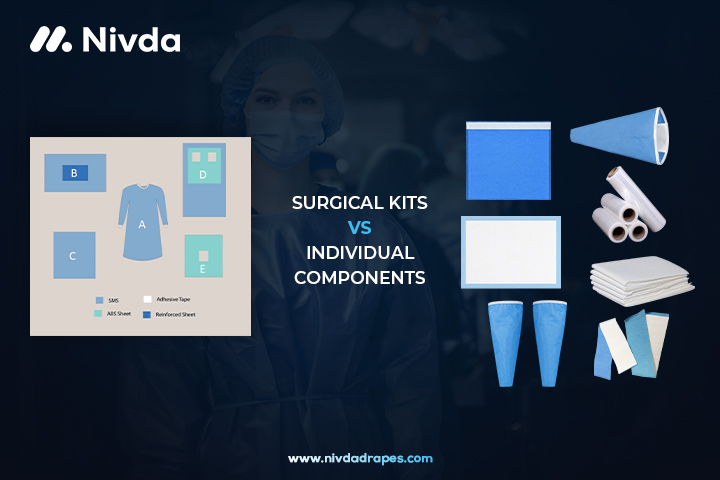
Individual components include separate disposable items such as drapes, gowns, gauze, and accessories that are selected and assembled manually before each procedure.
While this approach may appear cost-effective at the purchasing level, it often leads to hidden expenses. Staff must spend time collecting, verifying, and arranging each item. There is also a higher chance of overuse or wastage when extra items are opened but not used.
Understanding surgical kits
Surgical kits are Prepacked sets that include all required disposable components for a specific procedure. In the Nivda range, these kits are designed based on surgical requirements, ensuring that each item is included in the correct quantity and specification.
These kits are sterilized and ready to use, eliminating the need for manual preparation and reducing the chances of missing or unnecessary items.
Cost comparison overview
| Factor | Individual Components | Surgical Kits |
| Purchase cost | Lower per item | Higher per kit |
| Hidden costs | High (labor, time, wastage) | Minimal |
| Preparation time | Longer | Shorter |
| Wastage | Higher | Controlled |
| Inventory management | Complex | Simplified |
| OT efficiency | Lower | Higher |
| Error-related cost | Higher | Lower |
Reduction in hidden operational costs
One of the biggest advantages of surgical kits is the reduction of hidden costs. With individual components, hospitals must invest in labor for preparation, inventory handling, and verification. Delays or errors in this process can increase operational expenses.
Nivda surgical kits eliminate these steps by providing a single, ready-to-use package. This reduces manpower requirements and ensures a smoother workflow, leading to cost savings over time.
Minimizing wastage and improving utilization
When using individual components, extra items are often opened as a precaution but may not be used, leading to wastage.
Surgical kits are designed with precise quantities based on procedure needs. This controlled usage reduces unnecessary consumption and helps hospitals manage resources more effectively.
Impact on OT efficiency and revenue
Time is a critical factor in hospital cost management. Longer preparation times and delays reduce the number of surgeries that can be performed in a day.
Surgical kits from Nivda help reduce setup time and improve turnaround between procedures. Faster operations mean better utilization of OT resources, which directly contributes to increased hospital revenue.
Conclusion
Although individual components may seem cheaper initially, they often result in higher overall costs due to labor, wastage, inefficiencies, and risks. Surgical kits provide a more cost-effective solution by reducing hidden expenses, improving workflow, and ensuring better resource utilization.
With a wide range of disposable surgical kits designed for different procedures, Nivda helps hospitals achieve better cost control, improved efficiency, and enhanced patient care outcomes.
Get Connected:
+91 76007 27950 | exports@nivdadrapes.com | www.nivdadrapes.com